PAYING IN ADVANCE
Prevention
Food, useful tests, movement, rest and the time we give to understanding and supporting our body before serious problems develop.
BEYOND SYMPTOMS
Every day, your body has to make new cells, hormones, enzymes and tissue. The raw materials come largely from what you eat. But most of us choose food without knowing what our body is actually receiving, using or missing.
This is why I use tests: to measure some of the ways food and supplementation are affecting the body, instead of simply assuming they are working.

A person may see one specialist about migraines, another about digestion and someone else about hormones, pain, anxiety, sleep or recovery. Each specialist may understand the part in front of them very well. But the same person walks into every room, carrying all of it at the same time.

They have to decide how the pieces fit together, which advice matters first and why the same problems keep returning.
That was my experience too. For years, my skin, hormonal symptoms, migraines, digestive problems, stress and poor recovery were treated as separate issues. My body was not experiencing them separately.
Every day the body has to build and repair cells, make hormones and enzymes, maintain tissues and produce energy. The materials come largely from what we eat and from what the body is able to absorb and use. That makes food far more than calories or a question of weight.
But “eat well” is not enough. A label can say organic, high protein, sugar free or heart healthy and still tell us very little about what is happening inside this particular person. Are their cells receiving the fatty acids they need? Is vitamin D actually at a useful level? Is glucose regulation changing over time? Is the gut able to support what we are asking the body to do?
Some of these questions can be measured. Measurement gives us a starting point and a way to check whether a change produced a biological result. It does not show the whole elephant either. A test cannot measure grief, financial pressure, an unsafe relationship, years of poor sleep or why someone has no capacity left to follow another perfect plan.
THE COST OF HEALTH
PAYING IN ADVANCE
Food, useful tests, movement, rest and the time we give to understanding and supporting our body before serious problems develop.
PAYING AFTERWARDS
Medical appointments, tests, treatment, rehabilitation and care. But also missed work, lost income, postponed plans and time with our family when we do not have the energy to be fully present.
02
A PRACTICAL COLLABORATION MODEL
Testing is not about collecting numbers. It is about replacing random action with a starting point and a way to learn from the result.
What are they experiencing? What do they eat? How do they sleep, recover and live? What has already been tried?
Use relevant tests to establish a baseline, not to turn a person into a collection of results.
Translate the result into a realistic food, lifestyle or support decision the person can actually follow.
Repeat the measurement when appropriate. A change that sounds healthy is only useful if it is helping this person.
WHAT MEASUREMENT ADDS
A person may not feel an imbalanced fatty-acid profile, low vitamin D or a rising long-term glucose marker. Testing can reveal part of the picture while there is still time to act, then show whether the chosen action made a difference.
Context for inflammation, cell function and recovery.
Signals connected with digestion, barriers and everyday wellbeing.
A measurable nutrient marker relevant across many body systems.
Context for metabolic health beyond a single moment.
Tests are educational decision-support tools. They do not replace medical diagnosis or treatment.
WHY I AM BUILDING THIS
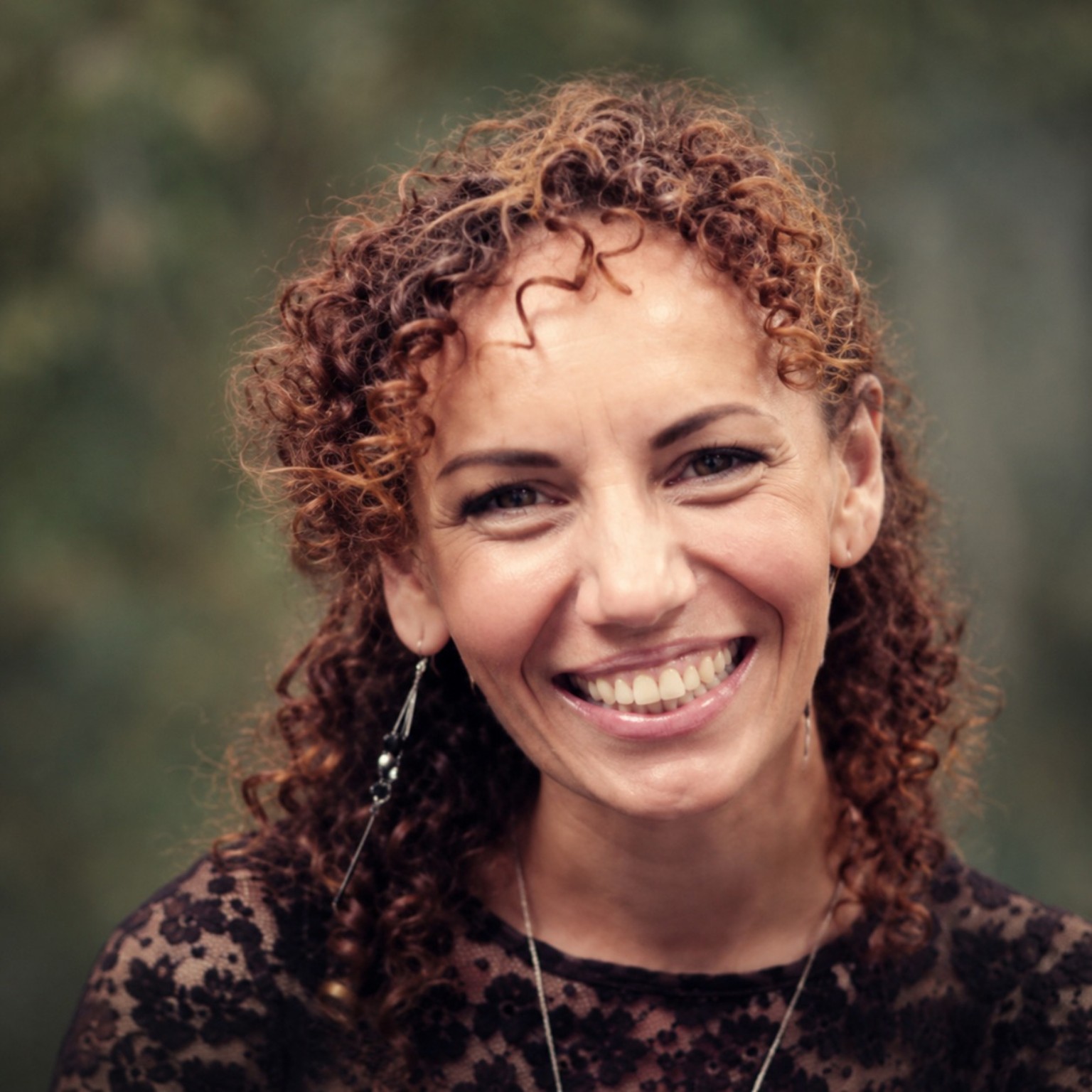
I lost my father to a heart attack when he was 43. At 27, I experienced a microstroke myself. Years of migraines, digestive and hormonal concerns, anxiety, poor sleep and eventually burnout taught me that health cannot be separated from the way we live, work and carry life.
The cost of poor health is not only a doctor’s bill. It is the days we cannot work, the plans we postpone, the energy our family does not receive and the opportunities we are too exhausted to take. Measurement gave me a clearer starting point, but it also showed me its limits. A result needs context, and a person may need more than one kind of expertise.
THE IMPACT MULTIPLIERS
Community and meaningful connections
THE NETWORK IS TAKING SHAPE
I am speaking with professionals across different fields and countries to shape the next stage of this collaboration.
Book an introductory call